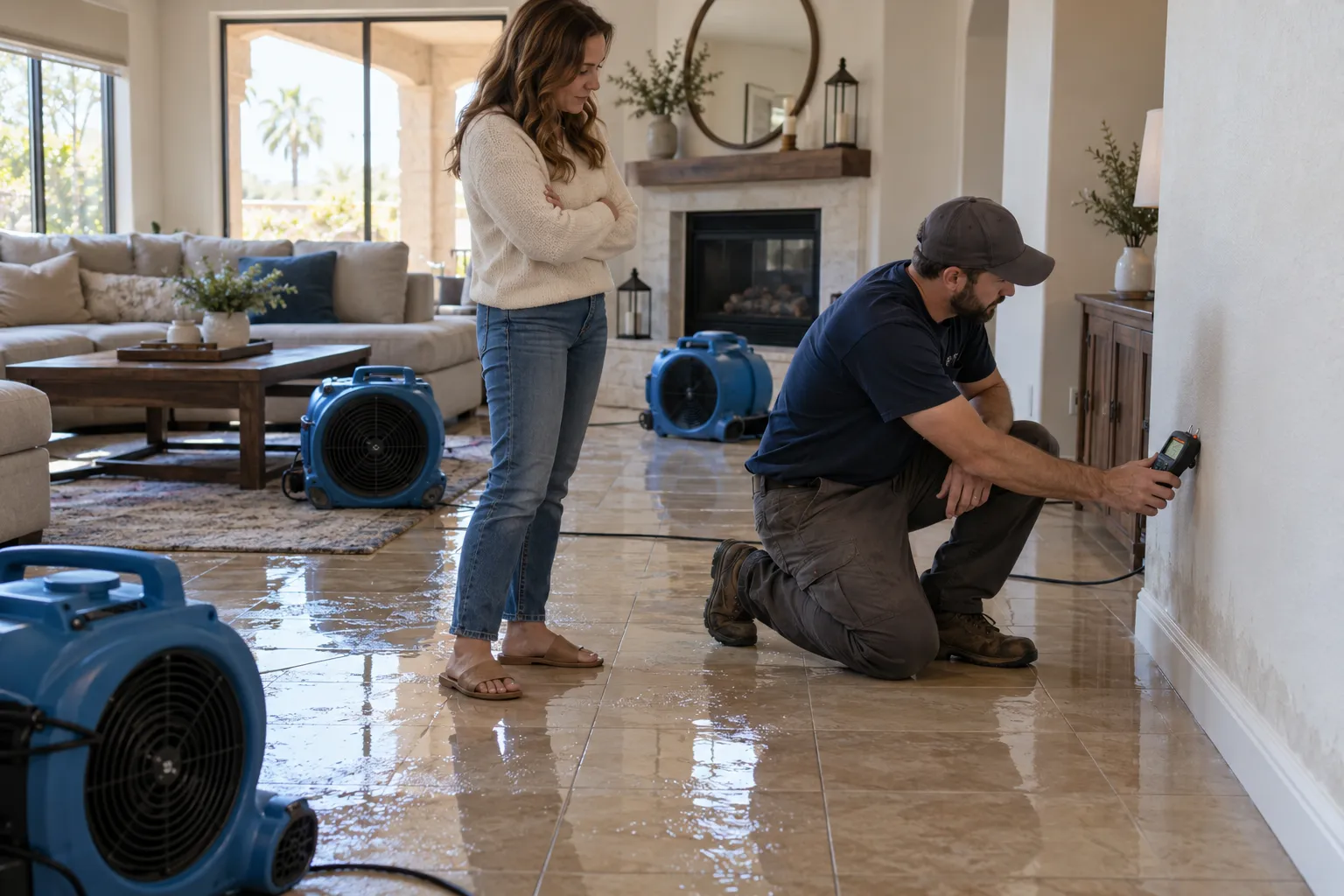
Water Damage Restoration
Start with safety, stop the source, and talk to a local provider before damp materials cause lasting harm.
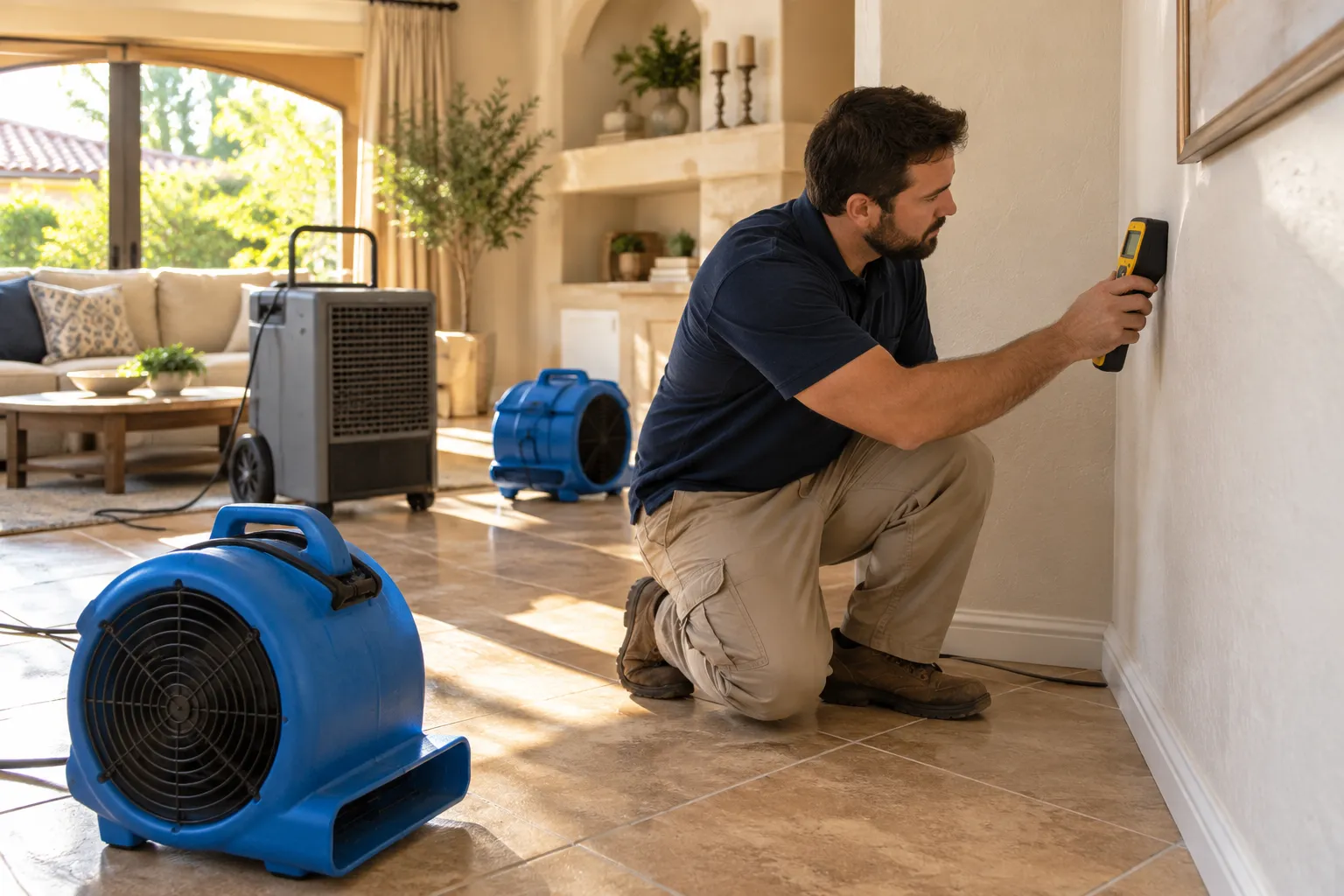
Start with safety, then protect your home. Fixedrobert Restoration connects homeowners with independent local providers who handle water extraction, structural drying and cleanup.
These are the three kinds of help providers in our network offer. Pick the one that fits your situation. If you are not sure, start with the first, and the provider can sort out the rest on site.
Start with safety, stop the source, and talk to a local provider before damp materials cause lasting harm.
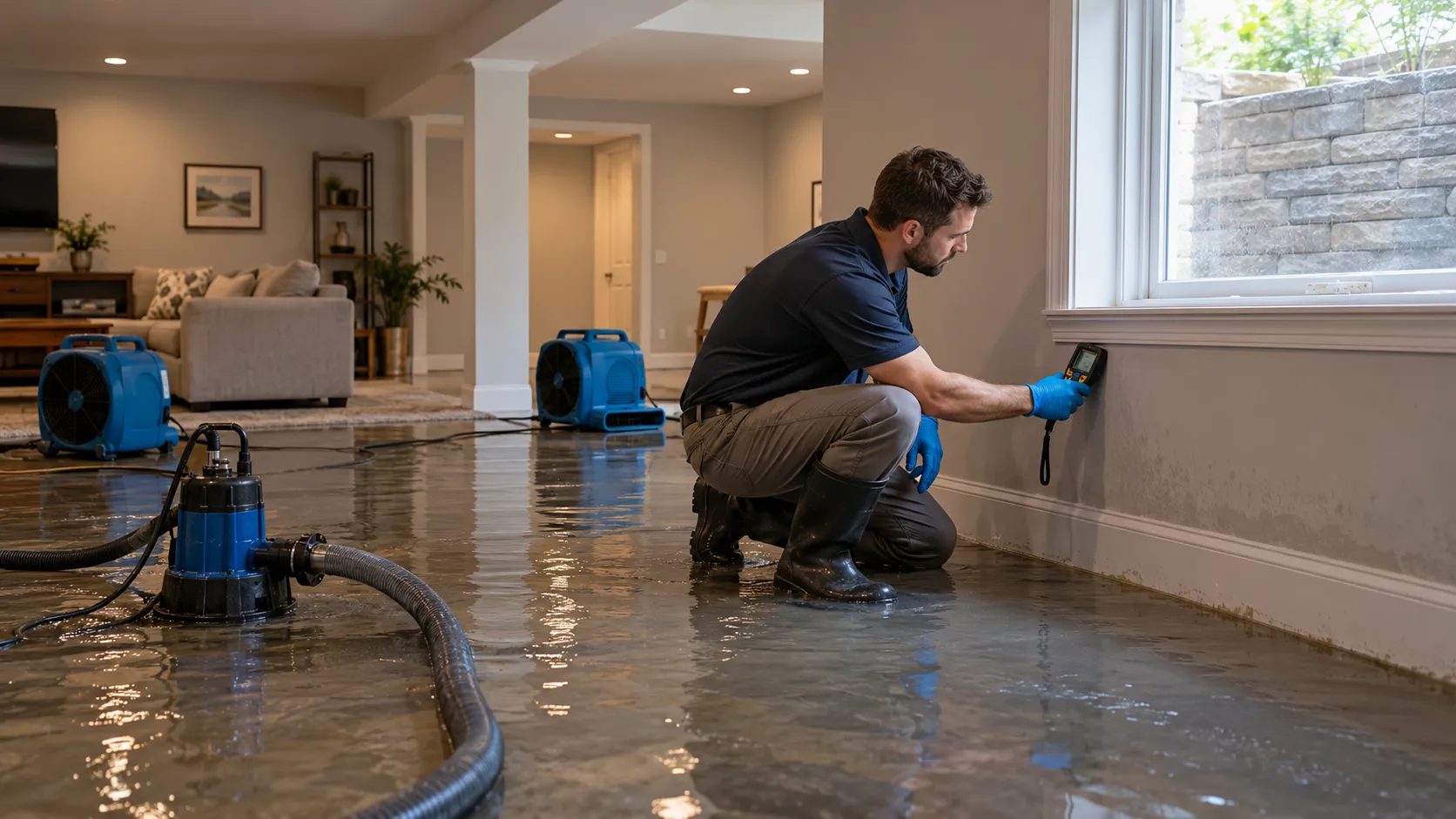
A flooded basement is risky and time-sensitive, so start with safety and then connect with a local provider.
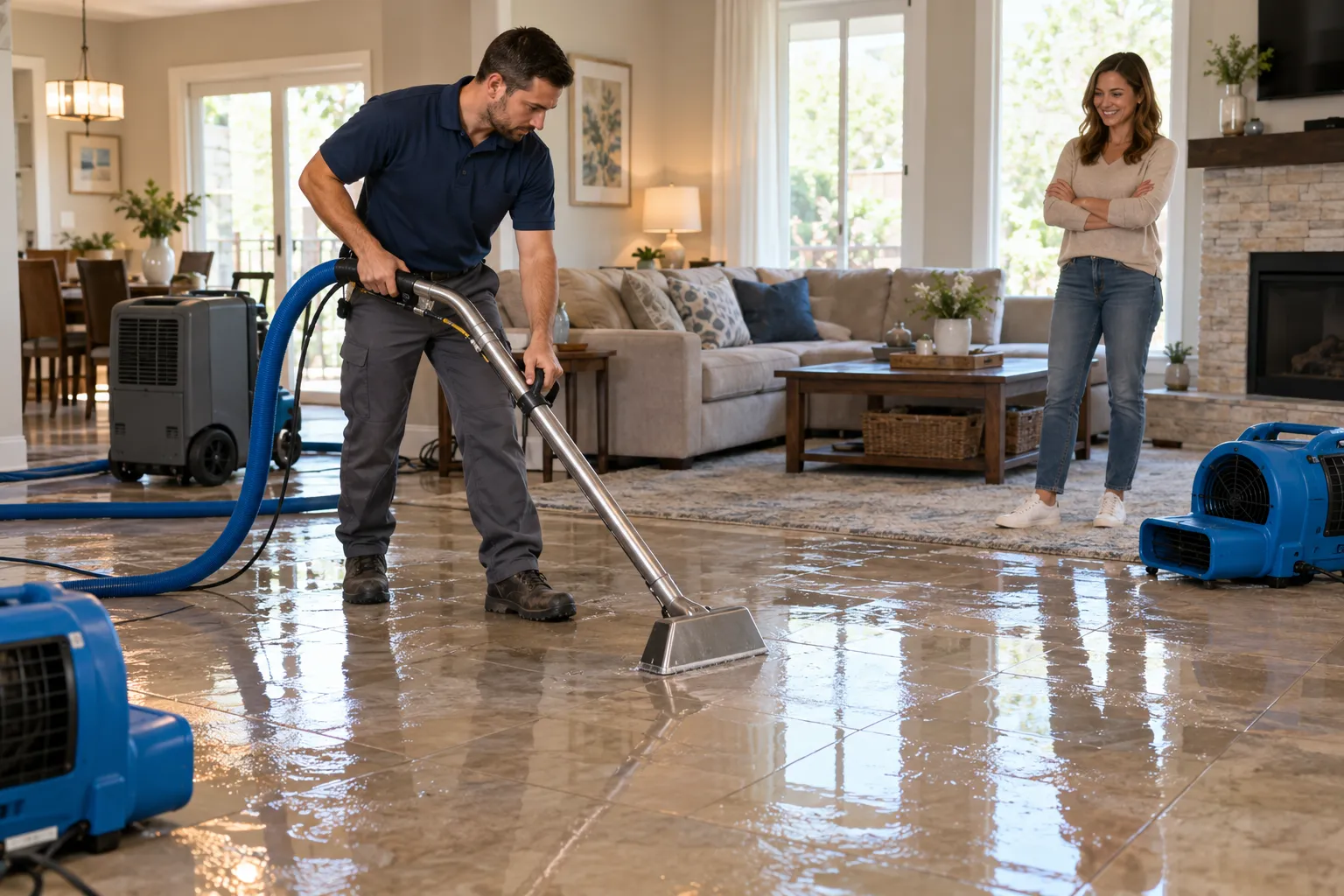
Removing standing water and drying the structure properly is how you protect the home and its resale value.
Tell us what happened and where. We will point you to an independent provider in the Greater Tucson area who can review the damage and give a written estimate.
No obligationWater in your home is a safety issue before it is a repair issue. Before you think about cleanup, think about the people and the power in the house.
Do turn off power to wet rooms if you can reach the panel without stepping in water. Do shut off the main water valve if a pipe is the source. Do move people and pets out of the wet area.
Do not walk through standing water near outlets or cords. Do not run a regular vacuum on a wet floor. Do not hide wet carpet or drywall behind new paint or furniture.
Fixedrobert Restoration is a referral service. We connect homeowners in Tucson, AZ and the Greater Tucson area with independent water damage restoration providers. The providers do the work. We help you reach one.
Doing the job right matters over the long run. Wet drywall, framing and flooring that stay damp can grow mold and lose strength. That can hurt your home's value when it is time to sell.
Request a callback to check provider availability, or send a request for an estimate.
Fixedrobert Restoration does not send out workers and does not perform repairs. We are a referral service. You tell us about the damage, and we connect you with an independent provider in our network who serves your part of the Greater Tucson area.
The provider visits, checks the damage and explains the plan. For most jobs that means water extraction, drying wet structure with fans and dehumidifiers, and cleaning affected areas. Larger losses may also need removal of soaked materials. The provider sets the schedule, the scope and the price.
Most costly mistakes happen in the first few hours. People touch wet outlets, wait too long to pull up soaked carpet, or cover damp walls. Our guidance is simple: stay safe, stop the water, and get a qualified provider to look at it.
Buyers and inspectors look for signs of past water problems. Damage that was dried and documented properly is far easier to explain than damage that was patched over. A careful job protects the home you live in today and the sale you may make later.
Every job is different, so we do not quote prices. We explain what drives cost and suggest you get a written estimate before work begins.
Fixedrobert Restoration works with providers across Tucson, AZ and the Greater Tucson area. Homes here vary. Many are newer subdivision builds. Many are stucco over frame or block, set on slab foundations, with flat or tile roofs.
That matters when water gets in. Slab homes hide pipe leaks under the floor. Flat roofs can pond water after a heavy monsoon storm. Stucco can trap moisture inside a wall long after the surface looks dry. A provider who knows local construction can look in the right places.
Availability depends on the provider, the time of year and how many storms have just passed. Some providers can respond quickly. Others may need to schedule a visit. Asking early is the simplest way to find out.
Send a request for an estimate and tell us the town, the type of damage and what you have already done to stay safe. We will route it to a provider who serves your area.
After long hot, dry stretches, a monsoon storm can drop a lot of water fast. Water can push under doors, pour through roof flashing or back up at low spots near the house. Do photograph the water line before you start moving things. Do not drive or wade through flooded areas near the home.
Flat roofs hold water. Tile roofs can hide cracked pieces or worn underlayment. A small leak can soak insulation and ceiling drywall for weeks. Look for stains, bubbling paint or a musty smell after storms, and have a provider check the damage.
With a slab, there is no crawl space to peek into. A pipe leak under the floor may show up as warm spots, a rising water bill or damp baseboards. Do not ignore these signs. A provider can use moisture tools to find where the water has traveled.
Hard water leaves mineral buildup that can stiffen supply lines and clog valves. Old connectors at sinks, toilets and water heaters can fail without warning. Replacing worn parts is cheaper than drying a floor.
Structural drying means removing moisture from framing, subfloor and walls, not just the surface. Do not repaint, re-carpet or close up walls until the provider confirms the materials are dry. Skipping this step is how mold and warped floors start.
Mold can begin to grow in a couple of days in damp, warm spaces. If you see growth or smell mustiness, keep the area closed off and avoid disturbing it. Ask the provider whether testing or removal is needed.
Some policies may cover sudden damage, so check your policy. Providers can often help document damage for a claim. Take photos, keep damaged items until told otherwise, and save every receipt.
In the U.S., smaller water damage jobs often run from about $1,200 to $5,000. Larger losses can reach $10,000 or more. Size, water type, materials and drying time all change the price. Always get a written quote.
Ask about scope, equipment, how drying will be checked and what is in the written estimate. Be cautious of anyone who asks for full payment up front or refuses to put terms in writing.
If water has reached your floors, walls or ceiling, get a trained provider to take a look. You do not have to figure out the plan alone. Share a few details and Fixedrobert Restoration will connect you with an independent provider in the Greater Tucson area. There is no obligation to hire.
Request a callback to check provider availability, or reach us at contact@fixedrobert.living.
Stay safe. Turn off power to the wet area if you can reach the panel dry, and shut off the main water valve if a pipe is leaking. Keep people out of standing water, take photos, then contact a provider for an assessment.
In the U.S., smaller jobs often run about $1,200 to $5,000, and larger ones can pass $10,000. Price depends on size, water type and drying time. Ask the provider for a written quote before work begins.
Some policies may cover sudden damage, such as a burst pipe, but not slow leaks or flooding. Check your policy or ask your insurer. Providers can often help document damage for a claim.
Many jobs take several days, but it depends on the materials, humidity and how much water got in. The provider should check moisture levels and tell you when the structure is truly dry.
No. Fixedrobert Restoration is a referral service. We connect you with independent local providers. The provider performs the work and sets the price and schedule.
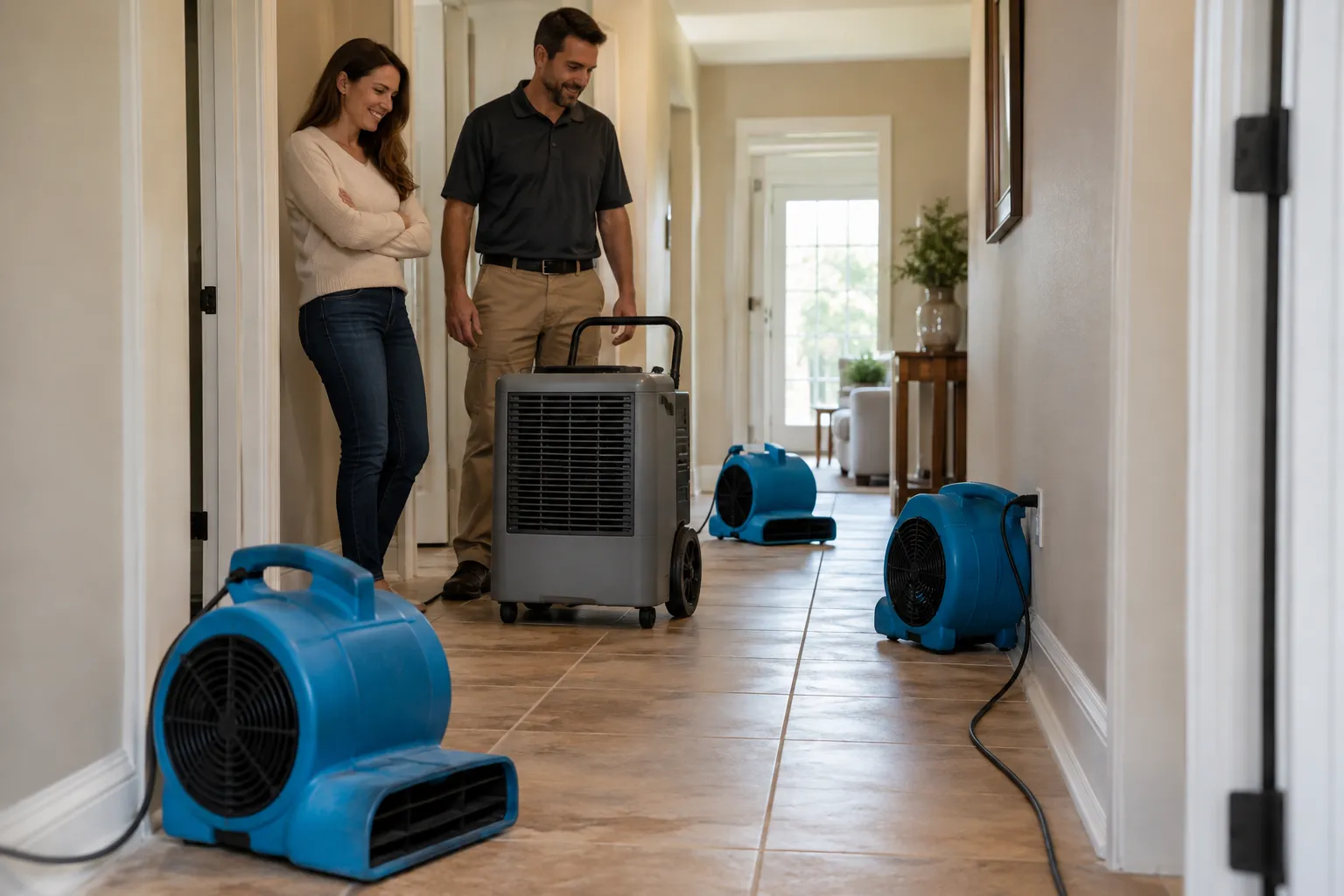
Tell us what happened and where. We will point you to an independent provider in the Greater Tucson area who can review the damage and give a written estimate.
No obligation